
In the brilliant golden autumn, gathering splendid achievements. On September 5, 2025, the "4th National Conference on Exchange of Young and Middle-Aged Laboratory Medicine Scholars"—hosted by Chinese Medical Journal Publishing House Co., Ltd. and organized by Huashan Hospital Affiliated to Fudan University—successfully concluded in Shanghai.
At the special session "Integration and Exploration of Laboratory Innovation and Value-Based Healthcare" during the conference, many authoritative experts conducted in-depth discussions around two core topics: "Technical Bottlenecks in Sex Hormone Detection" and "Construction of an Intelligent and Digital Ecosystem for Clinical Laboratories." The session presented a high-level academic feast, fully demonstrating the wisdom and responsibility of the new generation of laboratory medicine professionals in driving disciplinary reform.
Professor Ganling
Chinese Journal of Laboratory Medicine
Professor Guan Ming
Fudan University Affiliated Huashan Hospital
Professor Liu Weiwei
Longhua Hospital Affiliated to Shanghai University of Traditional Chinese Medicine
Focusing on cutting-edge technologies in laboratory medicine and new paradigms of disciplinary development, the conference gathered young and middle-aged elites in the field of laboratory medicine nationwide to jointly explore the path of in-depth integration of technological innovation, quality management, and digital-intelligent transformation.
I. Addressing Challenges | Precision Breakthroughs in Ultra-Trace, Small-Molecule Sex Hormone Detection
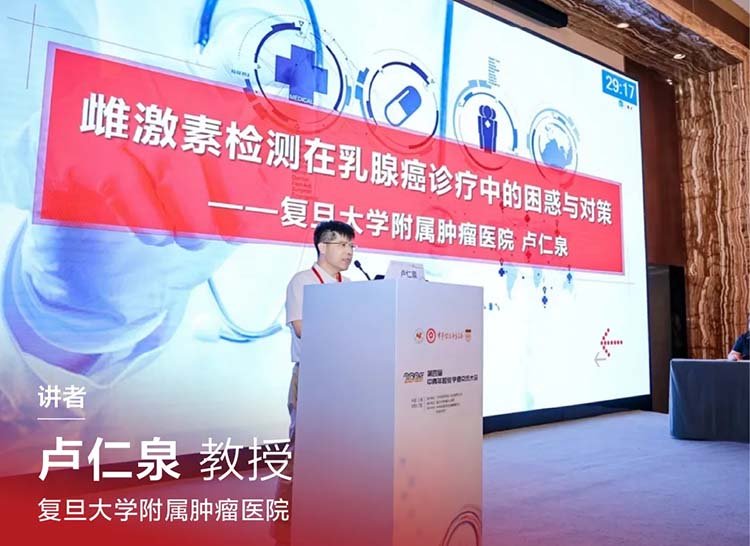
Professor Lu Renquan
Shanghai Tumor Hospital
Professor Lu introduced that breast cancer, as one of the most common malignant tumors in women worldwide, ranks first in the incidence of female malignant tumors, and 75%-80% of patients require endocrine therapy. The source of estrogen differs between premenopausal and postmenopausal women, and menopausal status directly affects the choice of treatment plan. Therefore, the accurate detection of E2 (Estradiol) is particularly crucial in endocrine therapy for breast cancer.
However, in practical clinical applications, abnormal results caused by drugs used in endocrine therapy may even lead to misdiagnosis and mistreatment; moreover, there is no unified standard for the medical decision-making threshold to judge menopause or ovarian escape.
Through comprehensive and systematic clinical evaluation of the new E2 detection kit based on SEMS technology, it has shown high consistency with the gold standard mass spectrometry. This effectively solves interference problems, helps realize personalized treatment management of breast cancer, and provides strong support for clinical diagnosis and treatment decisions.
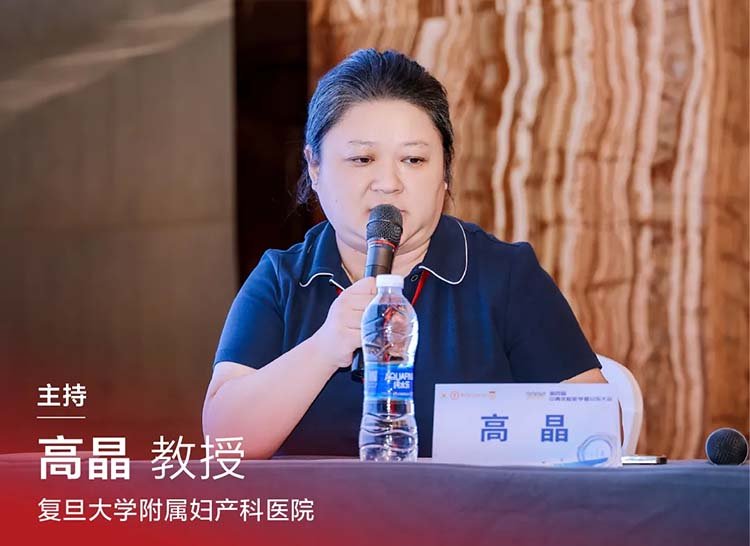
Professor Gao Jing
Fudan University Affiliated Obstetrics and Gynecology Hospital
II. Overcoming Interference | Precise Identification of Macroprolactinemia and Reconstruction of Clinical Value
Among the global population with hyperprolactinemia, the prevalence of macroprolactinemia is as high as 18.9%. Traditional detection methods are prone to misdiagnosing macroprolactinemia as hyperprolactinemia, frequently causing clinical harms such as excessive examinations, inappropriate drug treatment, and surgical interventions.
Mindray analyzed the structure of PRL (Prolactin) and autoimmune epitopes, identified differential sites between monomeric prolactin and macroprolactin, and directionally immunized and screened antibodies that bind with high affinity to monomeric prolactin but not to macroprolactin—achieving strong resistance to macroprolactin interference. Data compared with the gold standard Gel Filtration Chromatography (GFC) showed that for samples with different macroprolactin contents, the PRL test results of Mindray were highly consistent with GFC, fully demonstrating the accuracy and reliability of the new PRL reagent.
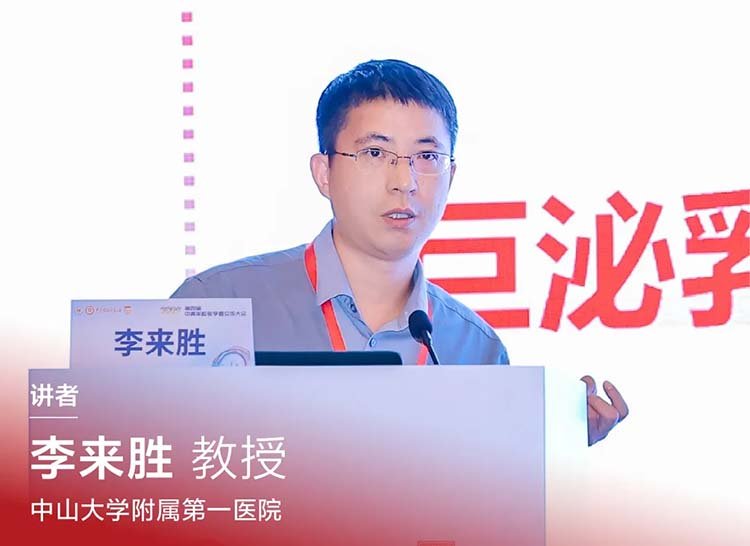
Professor Li Laisheng
The First Affiliated Hospital of Sun Yat sen University
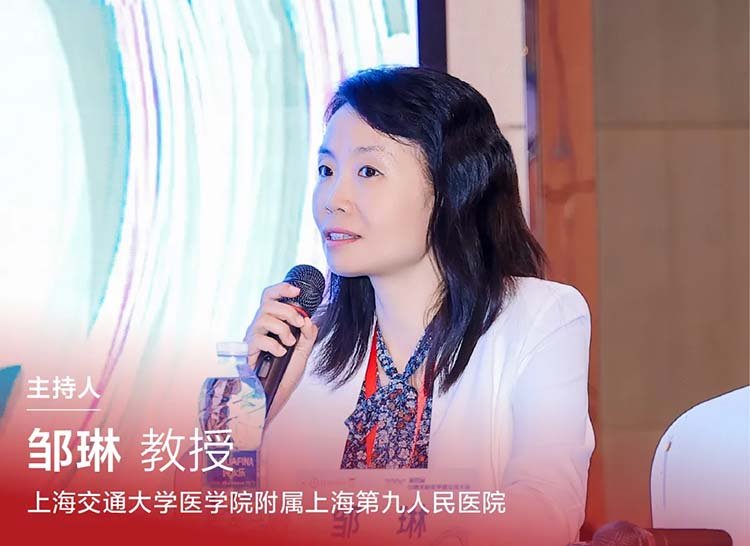
Professor Zou Lin
Shanghai Ninth People's Hospital Affiliated to Shanghai Jiao Tong University School of Medicine
III. Digital-Intelligent Driven | Building a "Device + IT + AI" Integrated Intelligent Laboratory New Ecosystem
With the continuous growth of test sample volumes and the increasing urgency of multi-campus collaboration needs, traditional management models are facing the "impossible trinity" challenge of efficiency, quality, and cost. How to realize the high-quality development of laboratory medicine through digital-intelligent means has become another focus of this conference.
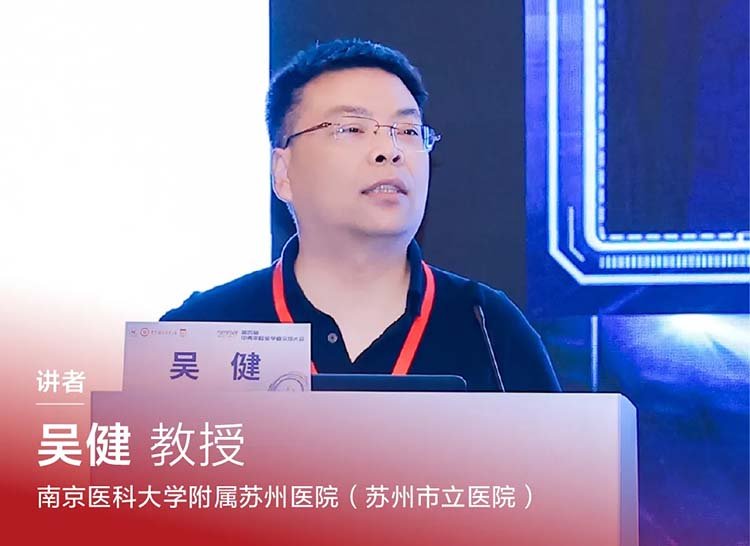
Professor Wu Jian
Nanjing Medical University Affiliated Suzhou Hospital (Suzhou Municipal Hospital)
Mr. Wu Jian from Suzhou Hospital Affiliated to Nanjing Medical University discussed the challenges and practices of integrated management of multi-campus laboratory medicine centers, which is of great significance for improving management efficiency.
Professor Wu’s sharing profoundly interpreted the practical path and management wisdom of the transformation and upgrading of laboratory medicine centers under the background of multi-campus integrated management. Facing multiple challenges of efficiency, quality, and cost, the Laboratory Medicine Center of Suzhou Municipal Hospital took digital intelligence as the starting point, and successfully achieved dual improvement in testing capabilities and management levels through the introduction of high-end equipment, the establishment of scientific systems, and the cultivation of talent echelons. Its experience not only provides a replicable and promotable model for breaking through the development bottlenecks of clinical laboratories but also highlights the important value of innovation and collaboration in modern medical management.
In the future, only by attaching equal importance to disciplinary construction and team cohesion, and continuously promoting technological innovation and management optimization, can we move forward steadily on the path of high-quality development, achieve excellence, benefit patients, and inject a steady stream of laboratory power into the high-quality development of hospitals.
IV. Lean Management | Reconstructing a Quality Control System Centered on Patient Safety
Laboratory quality is not only a technical issue but also a systematic project. From the perspective of lean management, Professor Shen Bo from Taizhou Enze Medical Center (Group) in Zhejiang Province deeply analyzed the practical path of clinical laboratories in adverse event prevention and control, process optimization, and continuous quality improvement.
Professor Shen emphasized that the essence of lean management is patient-centeredness—achieving the coordinated improvement of quality, efficiency, and safety by identifying process waste, eliminating variability, and standardizing operations. At Enze Medical Center, the department has established a full-process active reporting and root cause analysis mechanism for adverse events covering the "pre-analytical, analytical, and post-analytical" phases, and promoted closed-loop rectification through the PDCA (Plan-Do-Check-Act) cycle. Through visual dashboards, SOP (Standard Operating Procedure) standardization, personnel authorization, and multi-dimensional performance evaluation, a quality culture of "everyone participates, continuous improvement" has gradually formed.
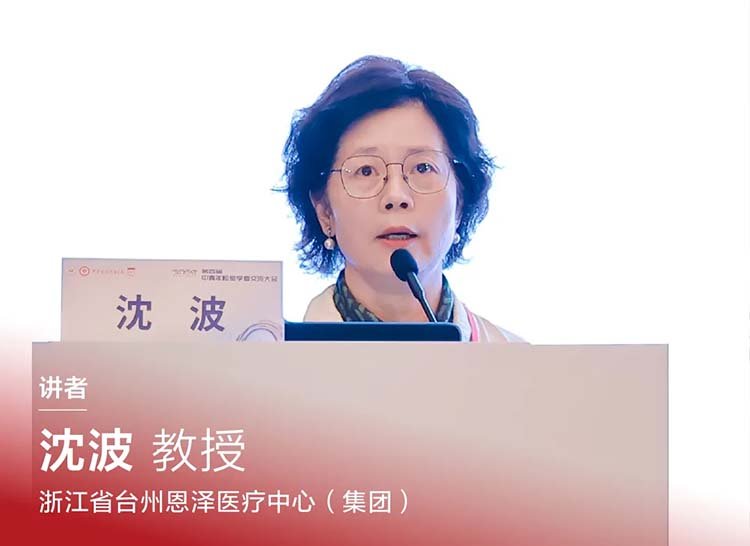
Professor Shen Bo
Enze Medical Center (Group), Taizhou, Zhejiang Province
She pointed out: "Lean is not a passing trend, but a way of thinking and organizational culture." Only by integrating lean concepts into daily management can we truly build a traceable and verifiable quality management system centered on patient safety, and provide more credible and timely laboratory support for clinical practice.